
What Officials Need to Know When Travel Time Affects Assignments
Travel time can decide whether a referee assignment is realistic. Clear venue details, game spacing, and mobile updates help officials make better acceptance decisions.
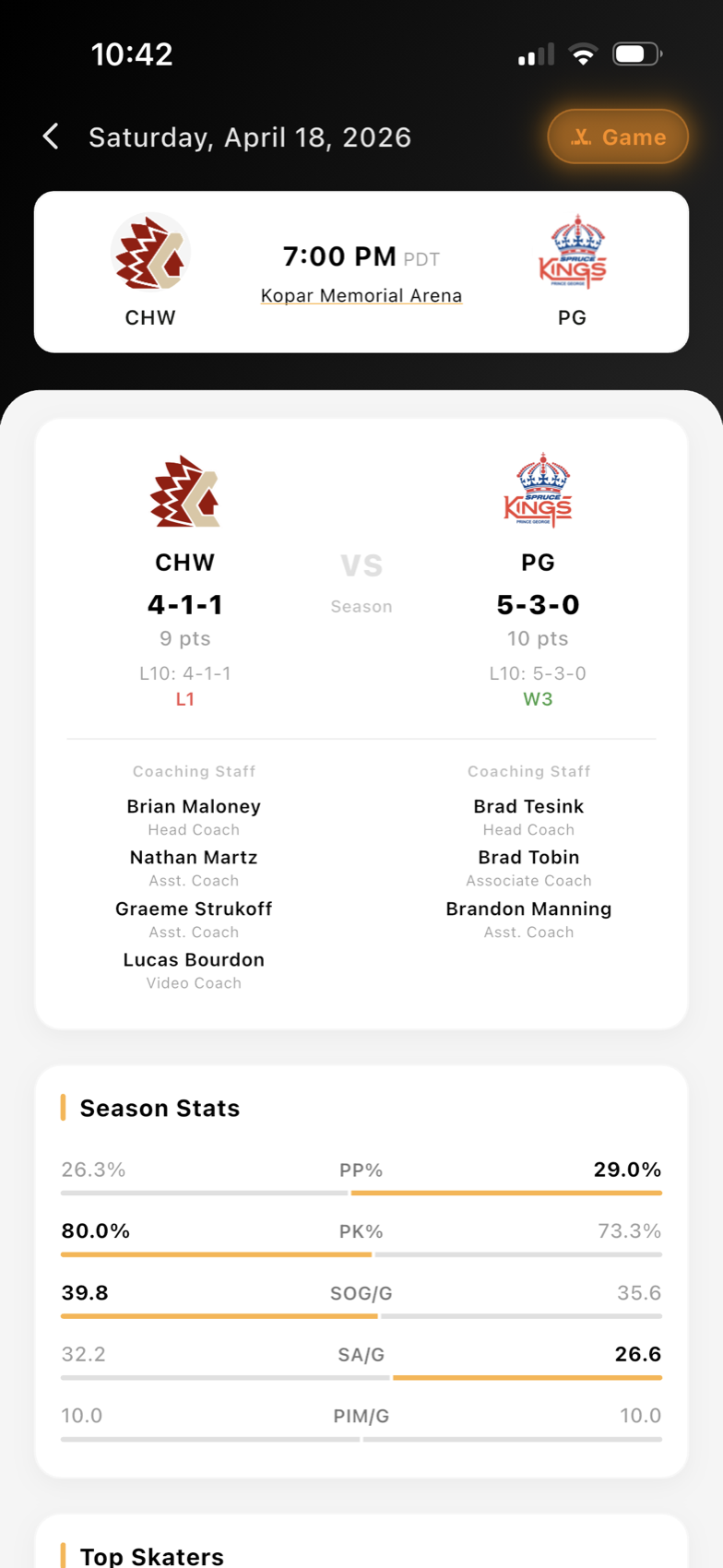
Travel time changes the real assignment
On paper, an assignment may look simple: a rink, a start time, a division, and a crew role. In real life, the official also has to think about how long it takes to get there, whether another game ends nearby, whether traffic or parking will matter, and whether the expected arrival window is realistic.
That is why travel time should be part of assignment context. Officials need enough information to decide whether accepting a game will work, not just whether the game itself is appealing. If the travel gap is too tight, a late arrival can affect the crew, the game, and the assignor's trust in the schedule.
For busy officials, travel context is especially important during tournaments, playoff weeks, and weekends with back-to-back games across multiple venues.
What officials should check before accepting
Officials should be able to review more than the address. They need the venue name, start time, expected arrival time, crew role, likely game length, and any rink-specific note that affects timing. If a rink has difficult parking, a separate entrance, or a dressing room check-in process, that detail belongs with the assignment.
A mobile workflow helps because officials often make these decisions away from a desk. With a clear referee companion app, the official can compare the assignment to their day, check whether another commitment is too close, and respond before the assignor has to chase for an answer.
Declines should be useful too. If travel time is the reason, that context helps the assignor understand the constraint and choose a better replacement.
How assignors can plan around travel pressure
Assignors cannot remove travel from the job, but they can reduce avoidable pressure. A practical assignment review should look for tight turnarounds, venue-to-venue movement, late games followed by early games, and officials who may be carrying too many distant assignments in a short period.
That review becomes easier when assignments, acceptance status, and venue context live together. The assignor can spot whether an official is technically available but realistically stretched. They can also decide whether a nearby official, a different crew pairing, or a standby option would protect the game better.
Travel pressure matters for development as well. Newer officials may be able to handle the game level but still need more predictable timing. Experienced officials may be comfortable with busier days, but even they benefit from clear information.
Why clear travel context builds trust
Officials are more likely to trust assignments when the details match reality. If they accept a game and later discover that the travel window was unrealistic, they may become more cautious about future assignments. If the assignment clearly shows the details up front, the official can make a better decision and the assignor gets a cleaner answer.
That trust helps the whole league. Crews arrive with less stress, assignors spend less time repairing avoidable conflicts, and league staff keep a more accurate record of why assignments were accepted or declined.
Travel time will always require judgment. But when venue details, game spacing, arrival expectations, and mobile updates are easy to see, officials can manage their weeks with more confidence and assignors can build schedules that hold up outside the spreadsheet.
Want cleaner referee operations?
Ref Buddy connects schedules, officials, crew communication, expenses, and reports so leagues can spend less time chasing details.
Schedule a Demo