
A Practical No-Show Prevention Routine for Youth Hockey Assignors Before Puck Drop
Youth hockey no-shows are often preventable with a tighter pre-game routine. Confirming early, sending reminders, keeping a ready replacement pool, and documenting venue details and escalation steps can help assignors reduce last-minute scramble before puck drop.
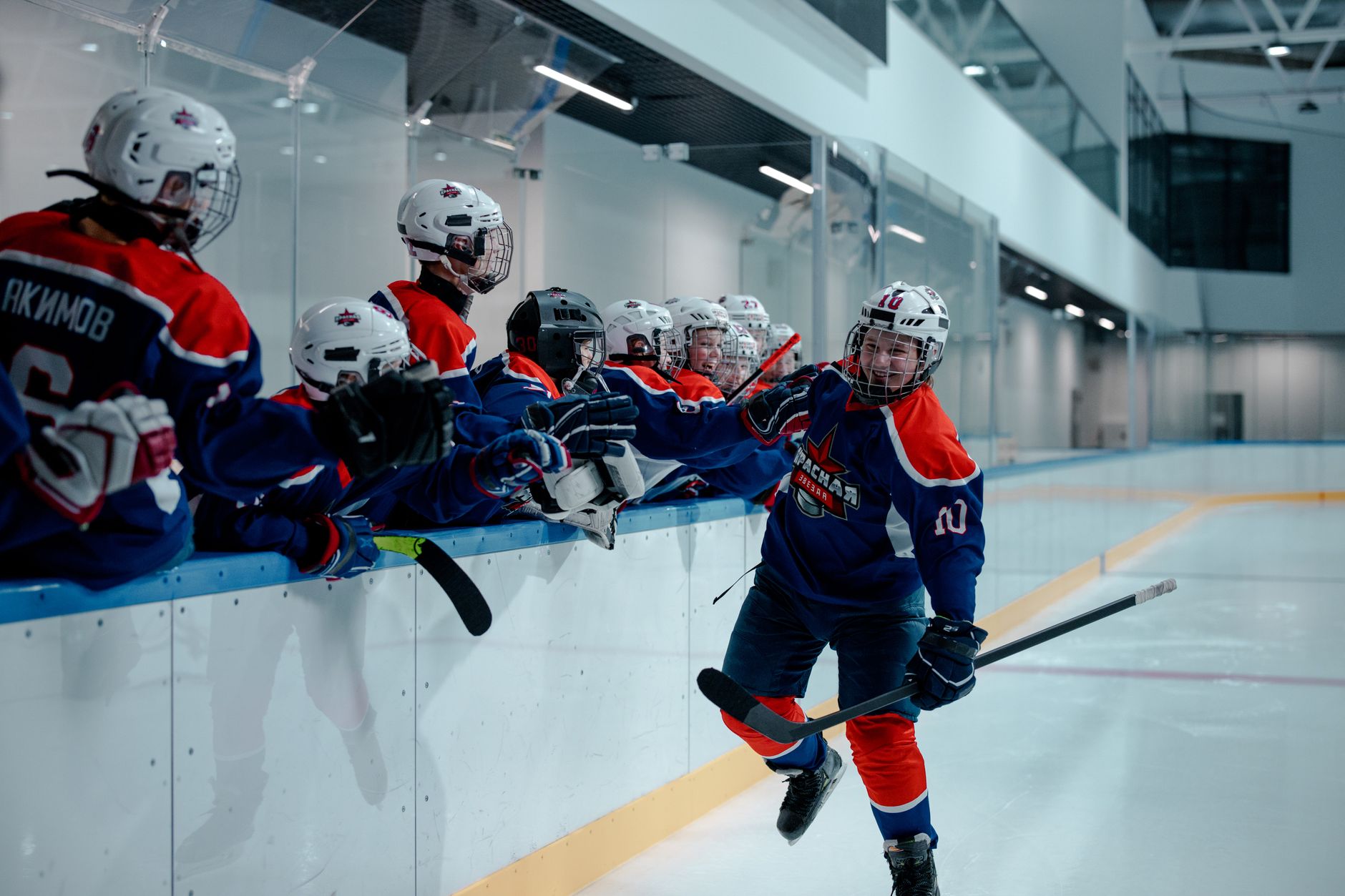
Why youth hockey no-shows happen before the game even starts
A missed assignment at the rink is rarely caused by one single mistake. In youth hockey, no-shows usually come from a chain of small breakdowns: an official never saw the assignment update, a reminder went to the wrong channel, the venue changed, or the replacement process was unclear. For assignors, the goal is not to eliminate every risk. It is to build a simple workflow that makes missed games less likely and makes problems easier to solve when they do happen.
That is where referee assignment software can help. When schedules, availability, messages, and game details live in one place, assignors can spend less time chasing confirmation and more time confirming the right people are actually on their way. A clean process matters most for youth hockey, where weather, school schedules, travel distance, and rink-specific details can change quickly.
Use a confirmation timeline that starts earlier than you think
The first way to reduce no-shows is to confirm assignments well before game day. Waiting until the morning of the game leaves too little time to find a replacement if an official is unavailable or has overlooked the slot. Many assignors do better with a staggered confirmation timeline.
A practical approach looks like this:
- Send the assignment early enough for officials to review it while they still have time to decline if needed.
- Ask for a clear acceptance, not just a silent assumption that the game is covered.
- Send a reminder the day before games with the start time, rink, crew partner, and any special notes.
- Use a final same-day check-in for evening games or long drives, especially when weather or traffic can affect arrival.
This works best when the schedule tool reflects official availability tracking accurately. If an official has already marked themselves unavailable, or if they frequently accept and later withdraw, assignors can spot the pattern before it becomes a game-night problem.
Keep a replacement pool ready, not improvised
A strong replacement pool is one of the simplest no-show safeguards. The key is to treat it like a real operating list, not a last-minute group chat. Assignors should know which officials are willing to be on standby, who lives close to each rink, and who can handle the specific level of play.
A good replacement pool should include:
- Officials who have already said they are available for short-notice work
- Backup options by region or rink cluster
- A note on travel time, level experience, and any age-group restrictions the league uses internally
- A record of who tends to respond quickly to urgent assignments
In a referee assignment software workflow, the replacement pool should be easy to search and easy to contact. That matters when a late cancellation comes in 45 minutes before puck drop. The assignor should not have to rebuild the decision from scratch.
Put venue details and escalation steps in the same place
No-shows become harder to resolve when the official has the right assignment but the wrong information. Youth hockey leagues often operate across multiple rinks, and each rink can have different parking, entrance, dressing room, or check-in expectations. If that information is buried in emails or stored only in an assignor’s head, it is easy for something to be missed.
Before game day, make sure every assignment includes:
- Exact rink name and address
- Start time and arrival expectation
- Crew contact information
- Any game-day venue notes, such as locker room access or a door code process
- Escalation instructions if an official is running late or cannot make it
A clear escalation path is especially important. If an official is delayed, the assignor should know exactly who gets the first call, who is next in line, and when a replacement decision needs to be made. That reduces duplicate messages and gives everyone one source of truth.
Build a simple response plan for the rare no-show
Even with strong process, some no-shows will still happen. The difference between a manageable problem and a chaotic one is preparation. Assignors can reduce stress by documenting what happens in the first five minutes after a missed check-in.
A basic response plan should answer:
- Who contacts the official first?
- How long do we wait before activating the backup?
- Which replacement official is next in line?
- Who tells the rink or game administrator what is happening?
- Where is the final note recorded after the game?
That last step matters more than it seems. When assignors log the issue, they can spot repeat patterns: late responses from a certain cluster, a rink that frequently creates confusion, or a reminder window that is too short. Over time, that information helps leagues tighten their operations without adding extra work for officials.
For leagues that want to reduce missed games and keep communication organized, the process starts with a reliable assignment flow. Tools like Assignments and Scheduling can help centralize confirmation, reminders, venue notes, and escalation steps so assignors have fewer gaps to fill at the last minute.
What assignors can tighten before the next weekend schedule
A few small changes can make a noticeable difference before puck drop:
- Confirm earlier for travel-heavy games
- Send one reminder with the essential details, not multiple overlapping messages
- Keep a ready replacement pool by rink and skill level
- Put venue notes and escalation steps directly on the assignment record
- Review missed check-ins after the weekend to find repeat causes
Youth hockey leagues do not need a complicated fix to reduce no-shows. They need a consistent one. When assignors use clear confirmations, timely reminders, a prepared backup pool, and documented venue details, they make it much easier for officials to arrive ready and for games to start on time.
Want cleaner referee operations?
Ref Buddy connects schedules, officials, crew communication, expenses, and reports so leagues can spend less time chasing details.
Schedule a Demo