
How Playoff Assignment Workflows Need a Different Review Before the Schedule Goes Live
Playoff scheduling is not just a tighter version of regular-season assigning. Assignors need a different review process for eligibility, conflicts, travel, and faster communication when every game carries more weight.
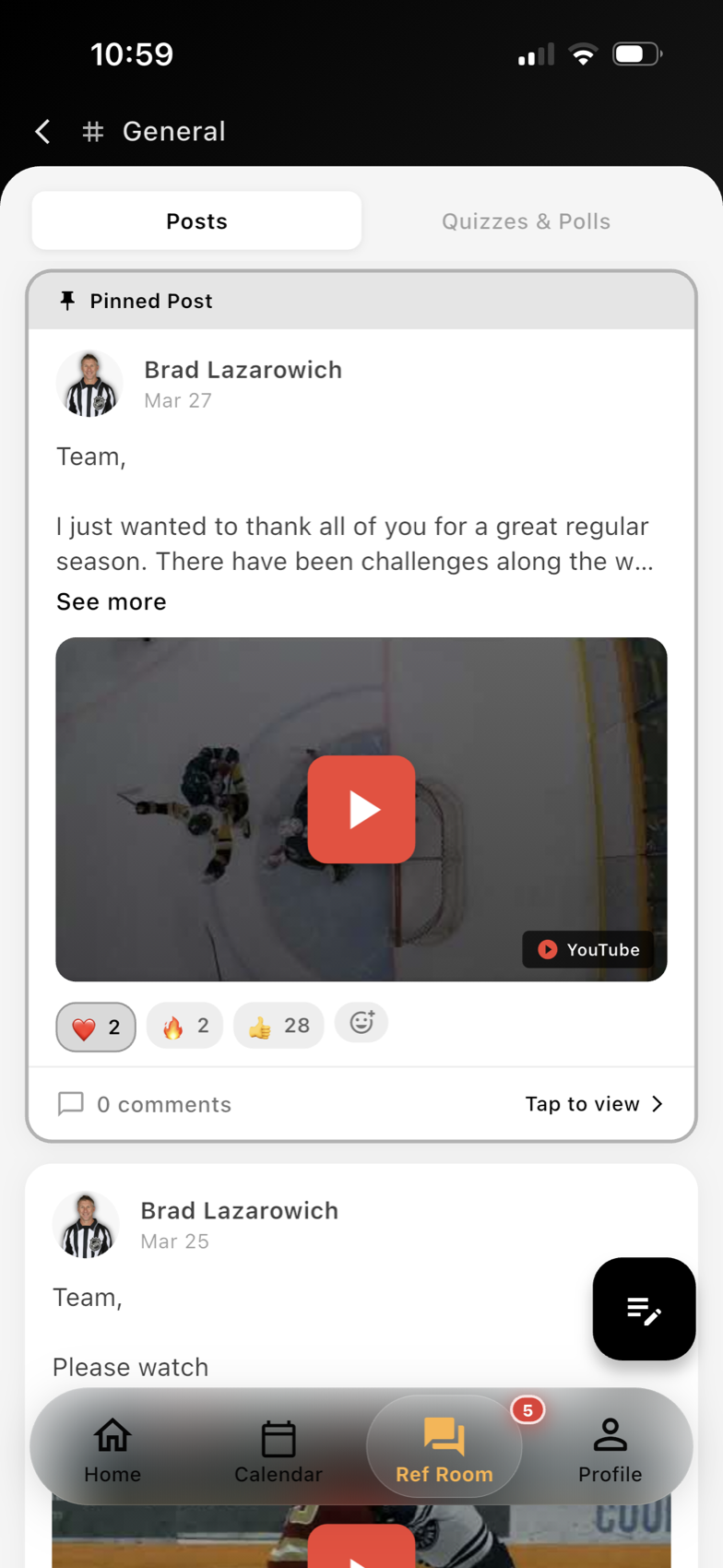
Why playoff assigning is a different job from regular-season scheduling
Regular-season scheduling is usually built around coverage, availability, and travel efficiency. Playoff assigning adds another layer: the games matter more, the windows are tighter, and the review process needs to be more deliberate.
In a playoff bracket, one missed conflict or late communication can have a bigger operational impact than it would in midseason. Assignors often need to confirm crew eligibility, verify which officials should or should not work a specific round, and make sure the assignment sequence matches the league’s playoff format. That means the workflow is less about filling open slots quickly and more about checking each decision against a playoff-specific standard.
This is where a structured Assignments and Scheduling workflow helps. A dashboard that separates playoff rounds from regular games makes it easier to focus on the assignments that need the most attention first.
What to review before playoff assignments go out
A playoff review should start with the basics, but the basics need to be checked more carefully than they are during the regular season.
Key items to confirm include:
- Crew eligibility: Make sure the officials assigned are appropriate for the level, round, and any local playoff rules or procedures.
- Availability: Do not rely on a general season availability note if playoff dates, travel, or tournament timing have changed.
- Conflict review: Check prior assignments, team relationships, location issues, and any repeat-matchup concerns that may affect confidence in the crew.
- Travel timing: Playoff schedules can compress quickly, especially across multiple rinks or fields. Review drive time and turnaround time before publishing.
- Role balance: If a league expects certain experience at later rounds, review the crew mix before the game is assigned.
For leagues using referee assignment software, this review is easier when the assignor can see all relevant context in one place. That reduces the chance of assigning a qualified official who is still a poor fit for the specific game, venue, or round.
How assignor dashboards help with playoff conflicts and travel
Playoff scheduling often creates a new kind of pressure on the assignor dashboard. The challenge is not simply finding open officials; it is comparing many near-correct options and choosing the one that creates the fewest downstream problems.
A good workflow should make it easy to sort by:
- playoff round or division
- officiating role
- unfilled games
- short travel windows
- known conflicts or declines
- officials who need a quick confirmation
That sort of review helps assignors avoid the common playoff mistake of treating every open slot the same. A championship game may need a faster communication path than an early-round game, even if both still show as unfilled.
If your league relies on a mobile referee app workflow, the assignment step should connect directly to the official’s availability and response process. That keeps the transition from review to confirmation moving without forcing coordinators to rebuild the same information in multiple places.
Communication has to be faster, simpler, and more specific
Playoff assignments usually leave less room for back-and-forth. Officials need to know the date, time, site, role, and any special instructions quickly. Assignors need responses quickly too, especially if a bracket shifts or a team advances unexpectedly.
A practical communication plan for playoffs should include:
- one clear message per assignment
- immediate notice when a game changes time or location
- a simple way for officials to acknowledge or decline
- direct crew-facing details only, with internal notes kept separate
- a final check before game day for any last-minute movement
When leagues use official communication tools built into their assigning process, they reduce duplicate messages and make it easier to keep everyone aligned. For example, a referee coordinator can review the schedule in the dashboard, publish the assignment, and then use the same workflow to confirm who has seen it.
A playoff checklist for assignors
Before publishing playoff assignments, ask:
- Is the game in the correct round and bracket?
- Are the officials eligible for this game?
- Are there travel or timing concerns between assignments?
- Are conflicts, declines, or repeat matchups visible?
- Will the crew receive the assignment details fast enough to respond?
- Do we have a clear path for changes if the bracket shifts?
Playoff scheduling works best when assignors have a repeatable review process instead of relying on memory or scattered messages. That is especially true in youth sports leagues, adult recreational leagues, minor hockey associations, and multi-sport organizations where the volume of moving parts rises quickly at the end of the season.
For a closer look at how a structured workflow supports playoff coverage, review Ref Buddy’s Assignor Dashboard and see how assignment review, communication, and follow-up can stay connected during the busiest part of the season.
Want cleaner referee operations?
Ref Buddy connects schedules, officials, crew communication, expenses, and reports so leagues can spend less time chasing details.
Schedule a Demo