
How Official Profile History Can Support Better Development Conversations
When assignors and supervisors can see game history, experience trends, and review notes in one place, development conversations become more specific, more timely, and more useful for officials.
Why profile history matters in official development
Official development works better when it is built on real game history, not just memory. For assignors, evaluator, and supervisor conversations, a profile that shows where an official has worked, how often they have been assigned, and what kinds of games they have taken creates a clearer picture of progress.
That matters in busy league operations. When schedules move quickly, it is easy to remember the last visible mistake or a standout game and overlook the larger pattern. A complete profile helps teams look at the full picture: recent assignments, level of play, crew context, and any review notes that give the assignment meaning.
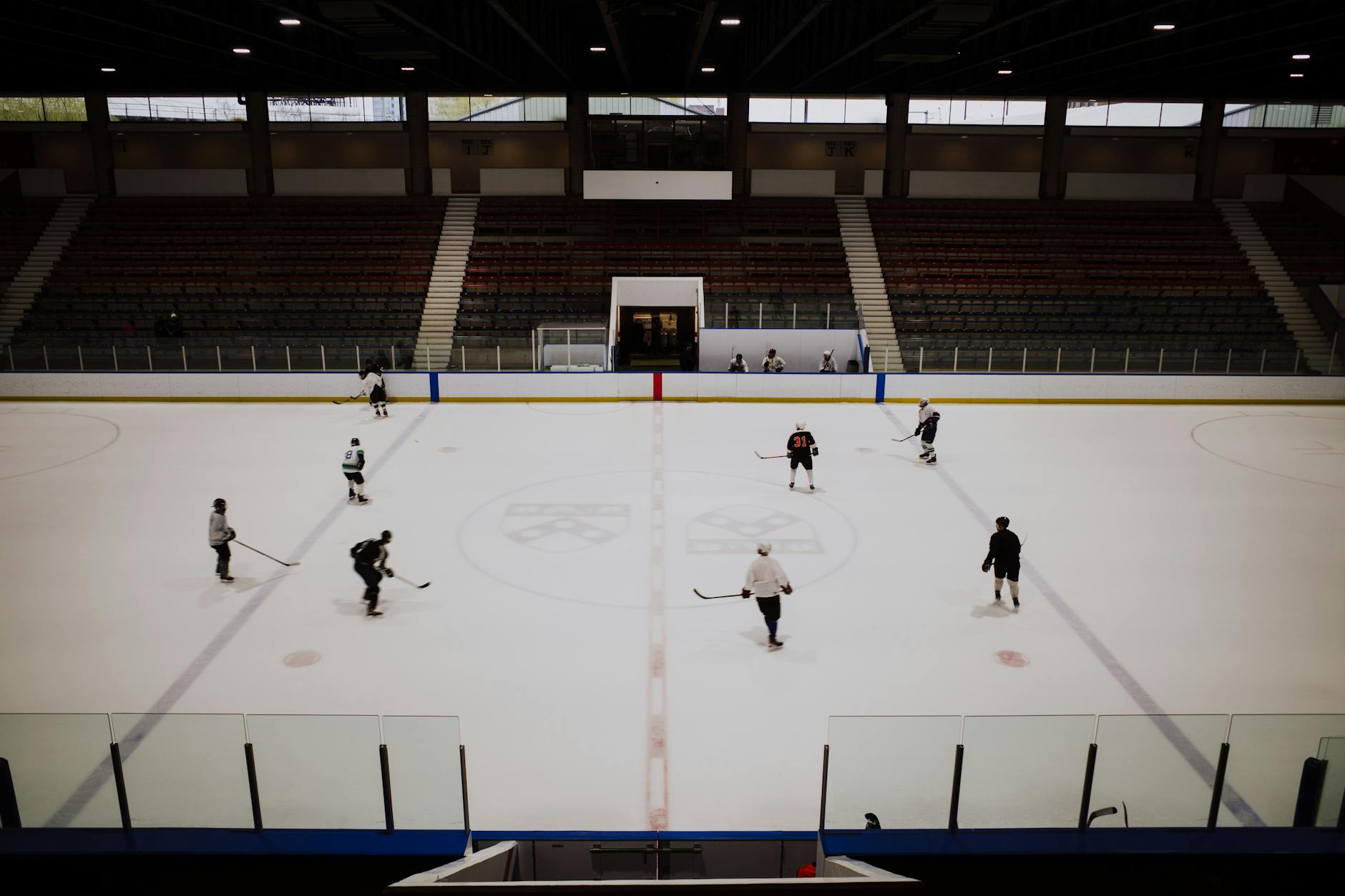
For hockey, youth sports, and other multi-game environments, this kind of context can help supervisors explain next steps in practical terms. Instead of saying only that an official needs more experience, a reviewer can point to patterns such as repeated work in one game type, limited exposure to higher tempo contests, or a steady record that suggests readiness for a different crew role.
A structured history also helps the official. When development feedback is tied to actual assignments, the conversation is easier to understand and easier to act on.
What should appear in a useful official profile
A development-focused profile does not need to be complicated. It should give assignors and supervisors enough context to see experience trends without digging through scattered records.
Useful elements often include:
- Game history by date, sport, division, and venue
- Assignment level or role, such as referee, linesperson, or crew lead
- Frequency of games worked over a defined period
- Recent opponent, tournament, or rink context when relevant
- Supervisor review notes or post-game comments
- Indicators of missed games, late changes, or reassignment patterns
When these details are connected, a supervisor can see whether an official is being stretched consistently, underused, or kept in the same type of game too long. That makes it easier to have a development conversation that is specific instead of generic.
It also helps assignors make fairer decisions. If two officials appear similar on paper, game history can show who has already handled more evening starts, travel-heavy venues, or faster-paced matchups. That is useful when planning the next set of assignments and reviewing official stats and development trends.
How assignors and supervisors can use history in review meetings
A good review meeting should answer a few basic questions: What has this official already handled? What is changing? What should happen next?
Game history supports those questions in a way that is easy to reference. An assignor can open the profile and look for trends such as:
- A steady increase in game volume
- More assignments at a higher division or pace
- Gaps in certain venues or team levels
- Consistency across different crew combinations
- Repeated review notes on positioning, communication, or rule application
That makes development conversations more actionable. A supervisor can suggest one or two concrete next steps, such as working more games with a certain partner, taking on a different rink or field environment, or building confidence in a higher-pressure setting.
This also helps reduce the burden on memory. In leagues and associations where several people may evaluate the same official, a shared profile keeps everyone looking at the same record. That can make follow-up easier after a game report, a supervisor observation, or a check-in with an assignor.
For leagues using a referee assignment workflow, profile history works best when it is connected to the assignment record itself, rather than kept in a separate spreadsheet or message thread.
Turning history into a development plan officials can follow
The value of profile history is not just in looking back. It is in deciding what comes next.
Assignors and supervisors can use history to build a simple plan for an official over the next few weeks or months. That plan might include a target game type, a steadier rotation of crew partners, or a reminder to review specific feedback before the next assignment. In youth sports leagues and adult recreational leagues, even a small plan can help officials see that development is intentional.
A mobile workflow can also help. When officials can check assignments, crew details, and review context from a referee companion app, it becomes easier to stay engaged with the process between games. That can support better follow-through after a conversation with a supervisor or assignor.
The key is to keep the record practical. Profile history should help people answer, "What has this official done, what have we noticed, and what should we try next?" When the system supports those questions, development conversations become clearer for everyone involved.
A better record makes a better conversation
Development is easier when the information is already organized. Game history, review notes, and trend data give assignors and supervisors a stronger base for decisions, especially in leagues that manage many officials across multiple sports or venues.
That does not replace judgment or mentorship. It simply gives those conversations more context. And in officiating, context matters.
When leagues keep official history tied to assignments and reviews, they create a record that supports training, placement, and communication over time. That can help officials understand where they are improving and where they still need support, while giving assignors a clearer view of how to plan the next set of games.
Want cleaner referee operations?
Ref Buddy connects schedules, officials, crew communication, expenses, and reports so leagues can spend less time chasing details.
Schedule a Demo