
How Leagues Can Prepare Officials for Games Across Multiple Divisions
When officials move between age groups, skill levels, or league divisions, the assignment is only part of the job. Clear pre-game context helps crews adjust their pace, positioning, and communication before the first whistle.
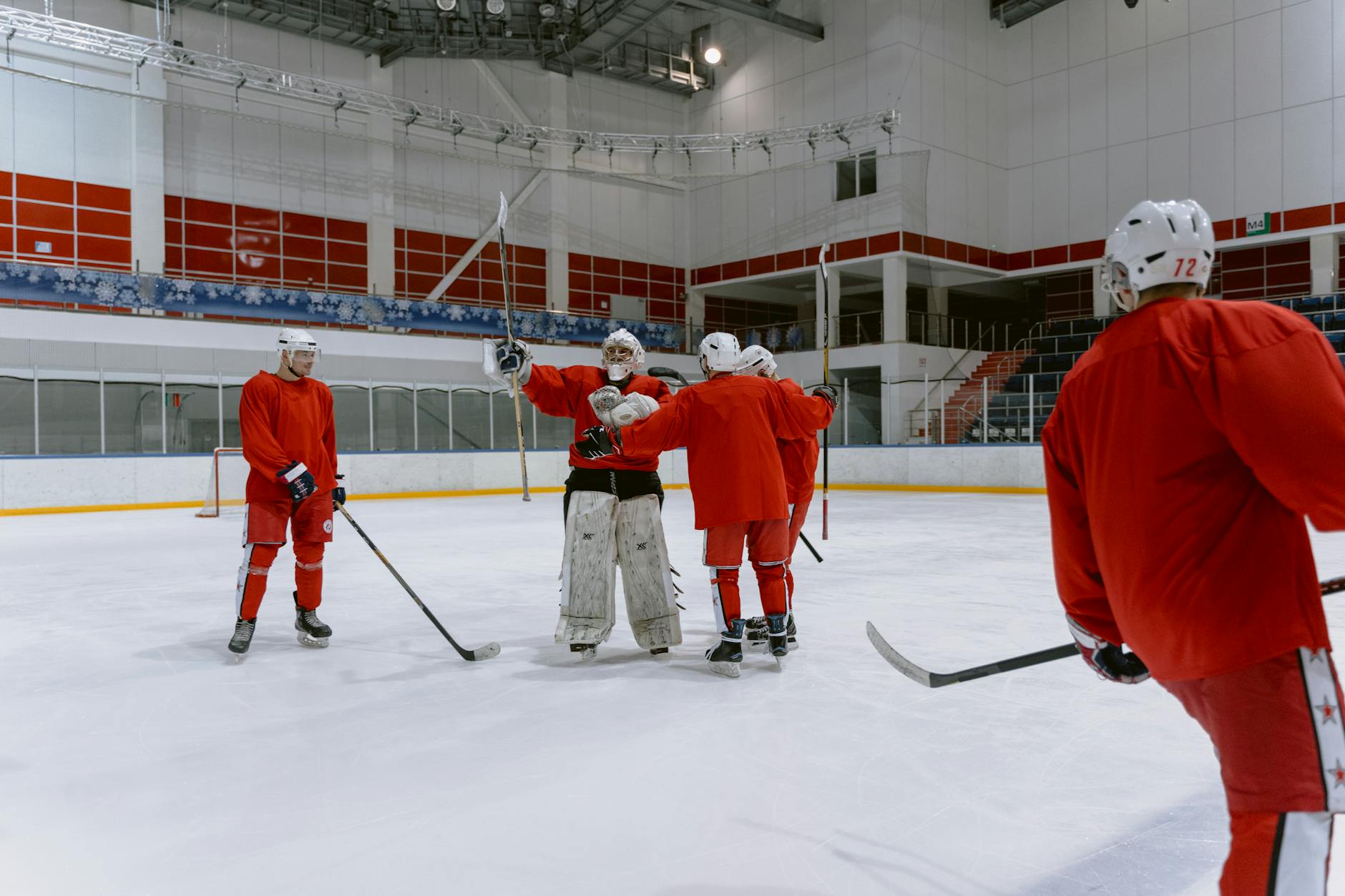
Why division context matters before game day
Not every game feels the same, even when the sport is familiar. A U12 match, a high-school varsity contest, and an adult recreational game can all require different expectations for pace, communication, bench behavior, and crew positioning. That is why assignors and referee coordinators should treat division context as part of the assignment, not as an afterthought.
When officials know what kind of game they are walking into, they can prepare more effectively. That includes adjusting for:
- Expected game pace and physical intensity
- Rule emphasis or local modifications by division
- Number of officials and how the crew should work together
- Whether the game is developmental, competitive, or tournament-adjacent
- Any pre-game notes that affect positioning, timing, or communication
For leagues using referee assignment software, division details can stay attached to the schedule instead of living in separate messages or memory. That makes it easier for officials to review the full picture before they arrive at the rink or field.
What officials need to know when they are crossing divisions
A good assignment tells an official where and when to work. A better assignment tells them what kind of game to expect.
For example, an official moving from one division to another may need a different mindset on the same day. The crew may need to be more proactive with dead-ball management in one division and more patient with teaching moments in another. A younger age group may require simpler pre-game communication and tighter bench awareness, while a higher level may demand sharper mechanic consistency and faster escalation when play gets tense.
Assignors do not need to over-explain every detail. The goal is to give the crew the right context, such as:
- Division name and age group
- Skill level or competitive tier
- Expected game length or format
- Whether the crew is standard size or shortened
- Any league-specific reminders about penalties, substitutions, or conduct
This is also a good reason to keep official profile notes current in a referee scheduling app. When an official has experience in one division but is still growing into another, assignors can make smarter choices and help the official build confidence with the right game selection.
Build pre-game notes that are useful, not cluttered
Division context works best when it is short, specific, and easy to scan on a phone. If a note is too long, officials may ignore it. If it is too vague, it will not change how they prepare.
A practical pre-game note might include:
- "U14 girls: expect fast transitions and quick line changes"
- "Adult rec: emphasize bench communication early"
- "First game for this crew at this division level"
- "Two-official system; review coverage on odd-man rushes"
- "Home team uses a different warmup timing than the standard schedule"
The point is not to create a full scouting report. It is to help the crew walk in with the right assumptions.
If your league already uses official communication tools, consider placing division notes where crew members will actually see them alongside the assignment details. That reduces last-minute clarification texts and helps everyone start from the same information.
How assignors can support development through smarter placement
Division-aware assigning is not only about game quality. It is also a development tool.
When officials are ready to work across multiple divisions, assignors can use those assignments to help them grow in a controlled way. A newer official might start with a familiar age group and then take one step up with a more experienced partner. A developing official can be scheduled into a higher division when the game environment is a good fit, not just when the slot is open.
That approach works best when the assignment record, game notes, and post-game feedback stay connected. Over time, assignors can see patterns such as:
- Which divisions an official handles comfortably
- Where a crew tends to need more support
- Which game types require stronger pre-game notes
- How officials respond when pace or physicality increases
For leagues and associations that want to support long-term official development, this kind of context is hard to maintain in text threads alone. A structured workflow makes it easier to match the right official to the right game and gives the official a clearer path to growth.
A simple checklist for multi-division assignments
Before sending the schedule, confirm that each assignment includes:
- Division or age-group context
- Any pace or rule-emphasis notes
- Crew role expectations
- Venue or game-format details that affect preparation
- A clear place for updates if the assignment changes
If your league wants officials to perform well across divisions, start by making the assignment itself more informative. A little more context upfront can prevent confusion later, support better game management, and help officials develop with confidence.
Want cleaner referee operations?
Ref Buddy connects schedules, officials, crew communication, expenses, and reports so leagues can spend less time chasing details.
Schedule a Demo