
How Blackout Dates Help Referee Coordinators Protect the Schedule
Blackout dates are more than calendar notes. When coordinators can use them early, they avoid preventable conflicts and build a more realistic referee schedule.
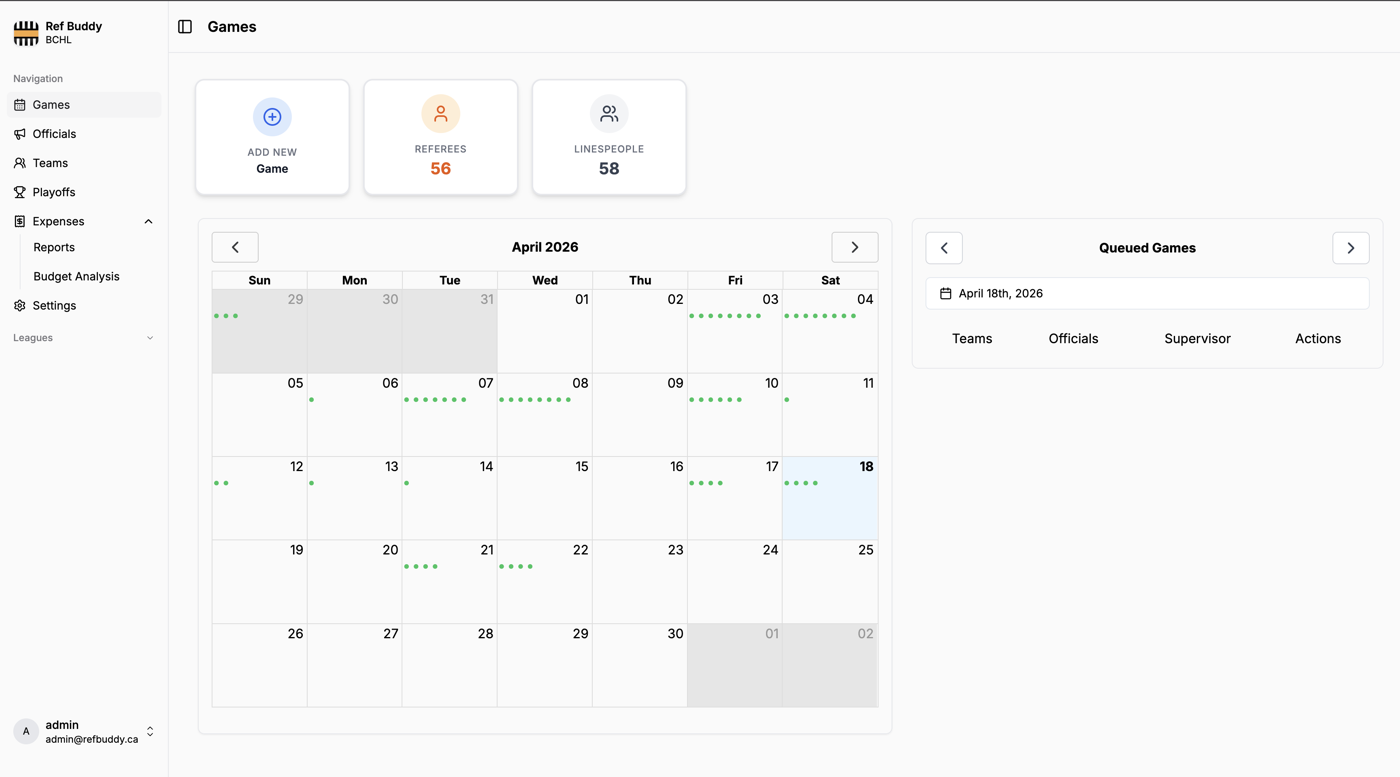
Blackout dates prevent avoidable cleanup
Referee coordinators often learn about unavailable dates too late. An official cannot work a tournament weekend, has exams, is traveling, or has a standing work shift. If that information arrives after assignments are already sent, the coordinator has to unwind accepted games, reopen roles, and explain changes to the rest of the crew.
Blackout dates help prevent that cleanup. They give coordinators a clearer view of which officials should not be considered for specific dates or time windows before assignments go out. That makes the first version of the schedule more realistic and reduces the number of preventable changes.
The value is not just administrative. Officials appreciate being assigned around known conflicts, and assignors can spend more time solving real coverage gaps instead of correcting conflicts that were already known.
What availability records should capture
A useful blackout workflow should be specific enough to guide assignments without becoming hard to maintain. Officials may need to block a full day, a partial time window, a recurring commitment, or a temporary stretch of the season. The record should make that distinction clear.
Coordinators also need to understand whether a blackout is firm or flexible. Some conflicts are impossible. Others may be negotiable if the game is nearby, at a certain level, or part of a tournament. Keeping that information near assignment scheduling helps the coordinator make better calls.
The best availability records are also easy to update. If officials have to send every change by text, the assignor becomes the only person who can keep the information current. A shared workflow lets officials help maintain accuracy while still leaving final assignment judgment with the coordinator.
How blackout dates protect fairness
Availability records can also make crew planning feel fairer. Without clear blackout data, the same officials may be asked repeatedly because they are familiar, fast to respond, or top of mind. That can overload reliable officials while leaving others underused.
When coordinators can see who is unavailable, who is open, and who has already worked a heavy stretch, they can distribute assignments with more context. Blackout dates do not replace assignor judgment, but they reduce the noise around that judgment.
They also help with explanations. If a league receives a question about why an official was not assigned during a weekend, the coordinator can refer to the availability record instead of reconstructing the decision from memory.
A seasonal routine that keeps data fresh
Blackout dates work best when leagues ask for them before the schedule gets intense. A preseason availability check, a midseason reminder, and a short prompt before tournament or playoff periods can catch many conflicts before they create pressure.
That routine should be simple. Officials need to know when to update availability, how late changes should be handled, and what kinds of conflicts belong in the system. Coordinators need a habit of reviewing those records before assigning high-demand weekends.
No availability system can predict everything. People still get sick, games move, and schedules change. But blackout dates give referee coordinators a stronger baseline. With fewer preventable conflicts, the schedule is easier to trust and easier to repair when real surprises happen.
Want cleaner referee operations?
Ref Buddy connects schedules, officials, crew communication, expenses, and reports so leagues can spend less time chasing details.
Schedule a Demo