
How Assigning Teams Can Cut Duplicate Delay Messages When the Rink Runs Late
When a rink delay starts to ripple through the schedule, assigning one clear communication owner can prevent duplicate texts, missed updates, and confused crews. Here’s a practical workflow for delay updates, affected games, crew visibility, and confirmation tracking.
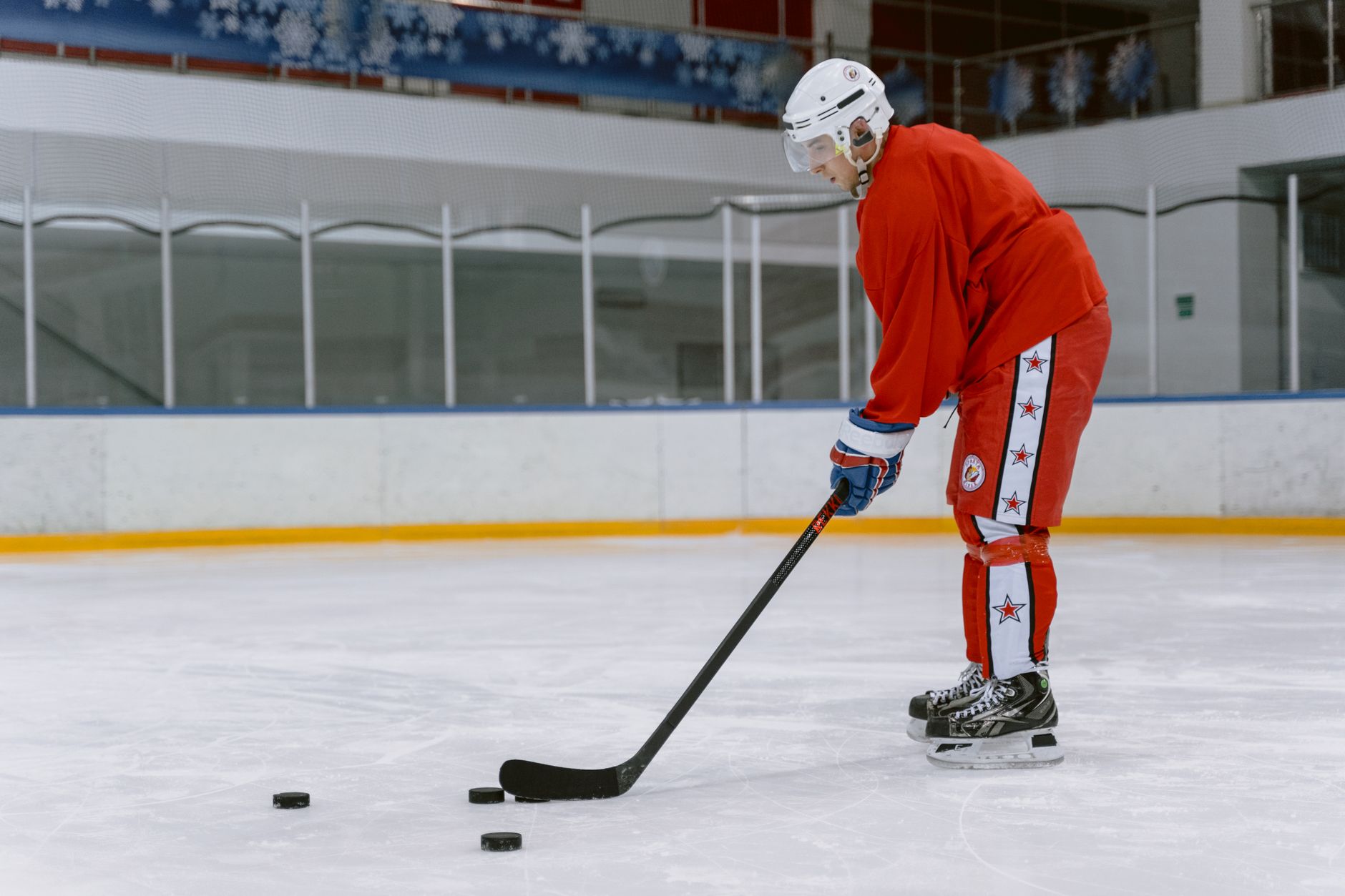
Why rink delays create message overload
Rink delays are a communication problem as much as a scheduling problem. One late ice cut, a flooded surface, a power issue, or a long game ahead of yours can trigger a chain reaction: officials text the assignor, the assignor texts the crew, the crew checks with each other, and someone else forwards the same update again. That is how duplicate messages pile up.
For assignors and league coordinators, the goal is not to send more messages. It is to create one clear source of truth so everyone knows where to look for the latest delay update. In practice, that means one person or one workflow owns the message, the affected games are identified immediately, and each crew can see whether they have already acknowledged the change.
This is especially useful in youth hockey, multi-rink leagues, and busy recreational programs where a delay can affect several time slots at once. A simple process reduces confusion and helps officials stay focused on the games that are still happening.
Build one message source for delay updates
The first step is to decide where the delay update lives. If the same information appears in group text, email, and direct calls, it becomes hard to know which version is current. A better approach is to post the delay in one assigned communication space and use that as the reference point for everyone else.
A practical workflow looks like this:
- Log the delay once in the communication tool used by your officiating group.
- Attach the note to the affected venue, rink, or game block.
- Send a single notification to only the crews that need it.
- Keep the message short and specific: what changed, which games are affected, and what happens next.
If your league uses a Ref Room communication workflow, this is the kind of situation it should handle well: one source for the update, one place for crew visibility, and one record of who has seen it.
The key is consistency. When officials learn that rink delay updates always appear in the same place, they stop chasing side messages and start checking the source first.
Mark affected games and track crew visibility
Once the delay is posted, the next question is which games are impacted. Not every game in the building will change, and not every crew needs the same follow-up. Assignors should be able to identify the affected games quickly and separate them from the rest of the schedule.
That matters because crews often overlap across multiple slots. If one game is delayed by 20 minutes, the second crew may need to move, warm up later, or confirm a new arrival time. If the whole rink is delayed, the message should reach every affected official at once, but only once.
Good communication workflows usually include three checks:
- The delay update is posted.
- The affected games are marked clearly.
- Each crew’s visibility or receipt status is confirmed.
That last step is important. A message sent is not the same as a message seen. Confirmation status helps assignors know whether they can move on or whether a follow-up is still needed. It also cuts down on duplicate texts like “Did you get the delay?” or “Are you aware the start time changed?”
For leagues using a mobile referee app workflow, the benefit is even more practical: officials can see the update on the device they already use on game day, instead of relying on a chain of forwarded messages.
Keep confirmation status simple and actionable
Confirmation status should help the assignor do one thing: decide what to do next. If a crew has acknowledged the delay, there is no need to keep sending reminders. If they have not, the system should make the follow-up obvious.
A simple status set works best:
- Sent
- Seen
- Confirmed
- Needs follow-up
This is not about adding process for its own sake. It is about reducing noise when the schedule is already under strain. A rink delay often happens when the assignor is also dealing with open games, late arrivals, and last-minute replacements. Clear confirmation status keeps the communication load manageable.
It also helps after the event. If there is a question later about who received the update, the league has a clean record of what was sent and when. That is useful for internal review, especially in leagues with multiple assignors or site supervisors.
A practical game-day communication habit
The best delay process is easy enough to use under pressure. When the rink is behind, assignors do not need a long memo. They need a repeatable habit:
- Post one delay update.
- Tie it to the affected games.
- Notify only the crews that need action.
- Check confirmation before sending another message.
That habit keeps messages from multiplying and helps officials trust the communication they receive. It also supports smoother coverage for the rest of the night, because crews know where to look and what to do next.
If your league is reviewing its communication process for the season, start with delay handling. It is one of the easiest places to remove duplicate messaging and improve clarity at the same time. For broader scheduling and operational support, see Assignments and Scheduling.
Want cleaner referee operations?
Ref Buddy connects schedules, officials, crew communication, expenses, and reports so leagues can spend less time chasing details.
Schedule a Demo